
-

Envoyez-nous un courriel
sale@lscmagnetics.com -

Numéro de contact
+86 -13559234186
Envoyez-nous un courriel
sale@lscmagnetics.comNuméro de contact
+86 -13559234186

Guide de dépannage pour 5 problèmes courants de séparateurs magnétiques
Aug 27, 2026En tant qu'équipement essentiel dans le traitement des minéraux, l'élimination du fer et la récupération des ressources, le séparateur magnétique L'efficacité de la production et la qualité des produits sont directement impactées. Cependant, en cas de fonctionnement prolongé à charge élevée, diverses pannes sont inévitables. Plutôt que d'attendre un arrêt imprévu, la maîtrise d'une approche systématique de dépannage permet une localisation rapide des pannes et une résolution précise. Cet article aborde les cinq problèmes les plus fréquents des séparateurs magnétiques et leurs solutions, vous aidant ainsi à minimiser les temps d'arrêt coûteux.
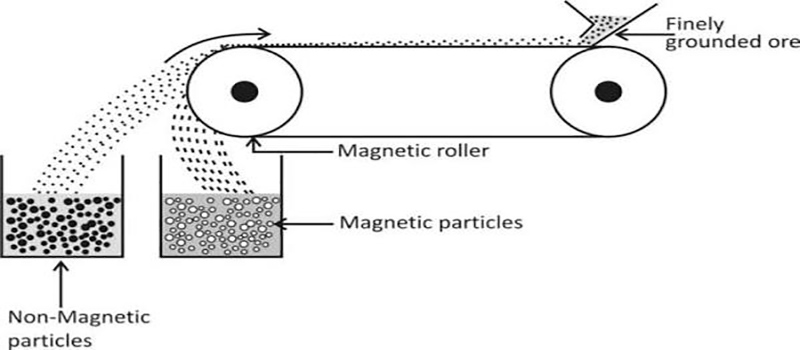
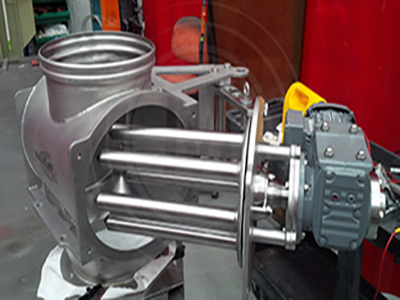
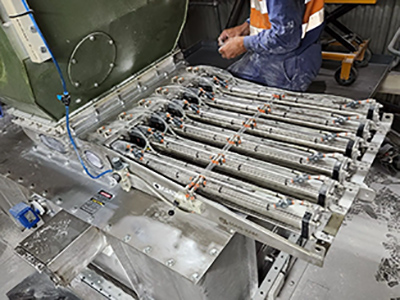
Il s'agit de l'un des signaux d'alarme les plus courants lors du fonctionnement d'un séparateur magnétique et il indique souvent des problèmes sous-jacents au niveau du moteur ou du système d'alimentation électrique.
🔍 Causes possibles
| Cause | Symptômes typiques |
| lubrification ou usure insuffisante des roulements | Bruit de frottement ou de grincement métallique strident pendant le fonctionnement ; la température du carter du moteur dépasse 80 °C |
| Dommages ou détachement des pales du ventilateur | Dissipation thermique réduite ; l'arrière du moteur chauffe nettement plus que l'avant. |
| Mauvais contact de l'interrupteur ou fonctionnement monophasé | Le moteur émet un bourdonnement, sa vitesse diminue sensiblement et l'ampèremètre indique des courants de phase déséquilibrés. |
| tension d'alimentation basse | Démarrage difficile ; sous charge, le moteur surchauffe fortement. |
Écoutez pour localiser la source : si vous entendez un grincement aigu, inspectez d’abord les roulements ; remettez de la graisse ou remplacez les roulements si nécessaire.
Vérifiez le système de refroidissement : assurez-vous que les pales du ventilateur sont intactes et que les conduits d’air ne sont pas obstrués ; remplacez immédiatement les ventilateurs endommagés.
Effectuez des contrôles électriques : utilisez un multimètre pour vérifier l’équilibre de la tension triphasée (l’écart doit être de <5 %) et inspecter les bornes pour détecter tout desserrage ou dommage dû à un arc électrique.
Vérifiez la tension : si la tension d’alimentation chute constamment de plus de 10 % en dessous de la valeur nominale, installez un dispositif de stabilisation de tension ou consultez le fournisseur d’électricité.
Tenir un registre de lubrification des roulements et les regraisser à intervalles réguliers (généralement toutes les 500 à 1 000 heures de fonctionnement).
Inspectez les bornes du moteur et l'état du ventilateur tous les trimestres.
Ce type de panne survient généralement soudainement et peut avoir de graves conséquences. Si elle n'est pas prise en charge rapidement, elle peut entraîner des rayures sur la peau du tambour, voire la mise au rebut du matériel.
🔍 Causes possibles
Corps étrangers pénétrant dans le compartiment inférieur : des morceaux de bois, des boulons, des outils ou des débris métalliques peuvent se coincer entre le tambour et le compartiment inférieur.
Déplacement des blocs magnétiques : les fixations des blocs magnétiques permanents se sont desserrées ou ont cédé sous l’effet du vieillissement ou d’un choc ; les blocs détachés cliquettent à l’intérieur du tambour, produisant un bruit métallique.
Délamination du revêtement résistant à l'usure : de gros morceaux de revêtement détachés obstruent le dégagement de fonctionnement du tambour.
Arrêt immédiat : au premier signe de bruit d’impact anormal ou de chute soudaine de la vitesse du tambour, ne forcez pas la poursuite du fonctionnement ; appuyez immédiatement sur l’arrêt d’urgence.
Ouvrez la trappe d'accès/d'inspection : retirez tout corps étranger visible. Si des blocs magnétiques se sont détachés, démontez et inspectez le système magnétique, puis remettez en place ou remplacez les blocs concernés.
Inspectez le fût : utilisez une lampe de poche pour vérifier la présence de rayures ou de dommages sur la surface intérieure. Les rayures superficielles peuvent être polies ; les dommages importants nécessitent le remplacement du fût.
Ajoutez une protection en amont : installez un tamis anti-scalp ou un dispositif d’élimination des débris ferreux en amont de la goulotte d’alimentation afin d’empêcher les gros débris de pénétrer dans le séparateur magnétique.
Installez un tamis avec une taille de maille appropriée en amont du point d'alimentation (généralement 5 à 10 mm plus grande que la taille maximale des particules d'alimentation).
Vérifiez périodiquement le couple de serrage des boulons de fixation du bloc magnétique afin d'éviter leur desserrage dû aux vibrations.
Le réducteur est le « cœur » de la chaîne cinématique du séparateur magnétique, et la surchauffe est souvent un signe avant-coureur d'une défaillance de lubrification ou d'une usure mécanique.
🔍 Causes possibles
| Cause | Indices diagnostiques |
| Quantité d'huile insuffisante ou qualité d'huile dégradée | Niveau d'huile inférieur au minimum indiqué par le voyant ; l'huile est noire, émulsionnée ou contient des particules métalliques. |
| usure des engrenages/vis sans fin ou mauvais engrènement | Augmentation du bruit de fonctionnement, bruits d'impact périodiques et vibrations anormales du boîtier |
| Défaillance ou usure de la lubrification des roulements | Les zones de paliers des arbres d'entrée/sortie sont les plus chaudes, accompagnées d'un grondement irrégulier. |
Inspection de l'huile : après l'arrêt du moteur, vérifiez le niveau et l'état de l'huile. Si le niveau est bas, faites l'appoint jusqu'au repère spécifié. Si l'huile est dégradée (foncée, contaminée ou émulsionnée), vidangez-la et remplacez-la complètement, puis nettoyez le carter.
Inspection de l'engrènement : Ouvrez l'orifice d'inspection pour vérifier la présence de piqûres, d'écaillage ou de traces d'usure anormales sur les dents d'engrenage ; mesurez le jeu pour vérifier s'il dépasse les limites admissibles.
Diagnostic des roulements : utiliser un thermomètre infrarouge pour localiser les points chauds, complété par un analyseur de vibrations pour évaluer l’état du roulement. Remplacer les roulements endommagés par des modèles identiques.
Correction de l'alignement : si un défaut d'alignement entre le moteur et le réducteur provoque une charge inégale et une surchauffe, recalibrez leur coaxialité.
Changez l'huile de transmission toutes les 2 000 à 3 000 heures de fonctionnement ou tous les six mois, selon la première échéance.
Inspectez visuellement l'état des engrenages et la couleur de l'huile par l'orifice d'inspection une fois par mois.
Le champ magnétique est l'élément essentiel du séparateur magnétique. Une baisse de son intensité compromet directement l'efficacité de la séparation, diminue la teneur du concentré et augmente les pertes de résidus.
🔍 Causes possibles
Température de fonctionnement excessive : une exposition prolongée au-dessus de la température de Curie du matériau magnétique (environ 80 à 200 °C pour le NdFeB) provoque une démagnétisation irréversible.
Exposition au soleil/température ambiante élevée : les unités extérieures subissent une dégradation de leurs performances due au rayonnement solaire estival.
Corrosion acide/alcaline : Dans les séparateurs magnétiques humides, la boue corrosive pénètre dans le système magnétique, dégradant le revêtement du bloc magnétique et provoquant un poudrage et une démagnétisation.
Vieillissement naturel : les matériaux des aimants permanents se dégradent progressivement au fil du temps, la force du champ magnétique diminuant de 1 à 3 % par an.
Mesure de l'intensité du champ : Utilisez un gaussmètre (teslamètre) pour mesurer l'intensité du champ en surface en plusieurs points le long du tambour et comparez-la à la valeur nominale indiquée sur la plaque signalétique. Si l'atténuation dépasse 15 %, des mesures correctives sont nécessaires.
Améliorations environnementales : installer des pare-soleil pour les équipements extérieurs ; améliorer la ventilation et la dissipation de la chaleur afin de maintenir la température du système magnétique dans les limites de conception.
Protection contre la corrosion : Vérifiez l’intégrité du joint du système magnétique ; appliquez à nouveau le revêtement anticorrosion ou remplacez les joints si nécessaire. Si les blocs magnétiques sont corrodés et réduits en poudre, le système magnétique complet doit être remplacé.
Remagnétisation ou remplacement : Pour les systèmes magnétiques magnétisables, envoyez-les à un fabricant qualifié pour une remagnétisation ; pour les blocs magnétiques physiquement endommagés, le remplacement par un nouveau système magnétique est la seule option.
Mesurez l'intensité du champ magnétique à l'aide d'un gaussmètre tous les six mois et tenez un registre d'atténuation du champ.
Assurez une étanchéité fiable du système magnétique pour empêcher toute infiltration de boues ; pour les séparateurs humides, privilégiez les matériaux magnétiques résistants à la corrosion.
Lorsque le rendement du séparateur magnétique commence à se dégrader, cela représente souvent le défi le plus frustrant pour les responsables de production : moins intuitif que les pannes mécaniques, mais il érode directement la rentabilité.
| Symptôme | Cause possible | Instructions de dépannage |
| La teneur en résidus augmente soudainement et reste élevée. | Fuite du corps du réservoir (court-circuit) | Inspectez la plaque de séparation et le tuyau de résidus du réservoir semi-à contre-courant afin de détecter d'éventuels trous d'usure. |
| Densité de concentré anormale | Décalage de la position du pôle magnétique | Densité trop élevée → ajuster l'angle de déviation du système magnétique vers le côté décharge ; trop faible → ajuster du côté alimentation |
| Le taux de guérison diminue régulièrement | Dégradation des performances du bloc magnétique / diminution de l'intensité du champ magnétique | Mesurer avec un gaussmètre ; remagnétiser ou remplacer au besoin |
| Écart de séparation anormal | Position du rotor décalée ou espace obstrué | Réajustez la position du rotor et éliminez tout débris présent dans l'espace entre les rotors. |
| changements de l'état de l'alimentation | Débit d'alimentation excessif, viscosité élevée de la suspension ou floculation du matériau d'alimentation | Ajuster le processus de broyage et de classification en amont pour ramener les paramètres d'alimentation dans la plage de conception. |
Procéder du plus simple au plus complexe : commencer par vérifier que le débit d’alimentation, la concentration de la suspension et la granulométrie sont conformes aux spécifications de conception ; puis vérifier si le réservoir ou la tuyauterie est obstrué ou présente une fuite.
Réglage du pôle magnétique : Optimisez le débit du concentré en ajustant l’angle de déviation du système magnétique. Ce réglage précis exige de la patience. Après chaque ajustement, observez le fonctionnement pendant 15 à 20 minutes avant d’effectuer d’autres modifications.
Entretien du corps de réservoir : Si une fuite par usure est confirmée, arrêtez la production pour effectuer des réparations de soudure ou le remplacement des sections usées afin d’empêcher le minerai brut de « court-circuiter » directement les résidus.
Coordination à l'échelle du système : si les problèmes de viscosité ou de floculation de l'alimentation sont importants, remontez jusqu'à l'étape de broyage et de classification en amont et ajustez les paramètres du processus en conséquence.
Consigner quotidiennement la teneur des résidus, la teneur du concentré et le taux de récupération ; établir des graphiques de tendance pour détecter rapidement les fluctuations anormales.
Inspectez mensuellement le corps du réservoir, le tuyau de résidus et le tuyau d'alimentation afin de détecter toute usure et réparez ou remplacez-les avant qu'une fuite ne survienne.
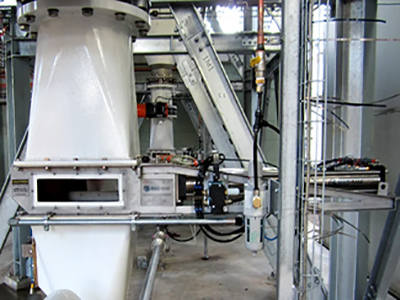
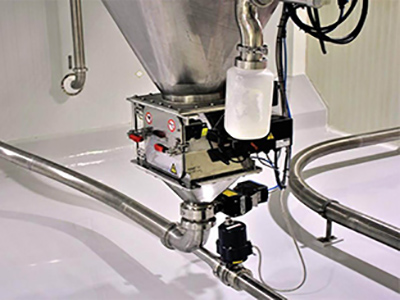
Mesurez régulièrement l'intensité du champ magnétique : une fois tous les six mois – laissez les données guider vos décisions.
Veillez à maintenir un système de lubrification en bon état : changez et complétez l’huile régulièrement ; ne négligez pas cette étape.
Surveillez la qualité de l'alimentation : installez un système de filtration et d'élimination des impuretés en amont afin d'éliminer les causes de défaillance à la source.
N’utilisez pas une machine défectueuse : si vous entendez un bruit anormal ou si vous remarquez une surchauffe, arrêtez-vous d’abord et vérifiez.
Ne négligez pas les petites fuites : une minuscule fuite au niveau de la cuve peut ruiner la qualité des résidus de tout le lot.
Ne dépassez pas la durée de vie prévue : les systèmes magnétiques, les roulements et les engrenages ont tous une durée de vie nominale ; un remplacement préventif est bien plus rentable que des réparations réactives.
ÉTIQUETTES :
Whatsapp : +86 -13559234186
E-mail : sale@lscmagnetics.com
Tél : +86 -13559234186