-

Envoyez-nous un courriel
sale@lscmagnetics.com -

Numéro de contact
+86 -13559234186
Envoyez-nous un courriel
sale@lscmagnetics.comNuméro de contact
+86 -13559234186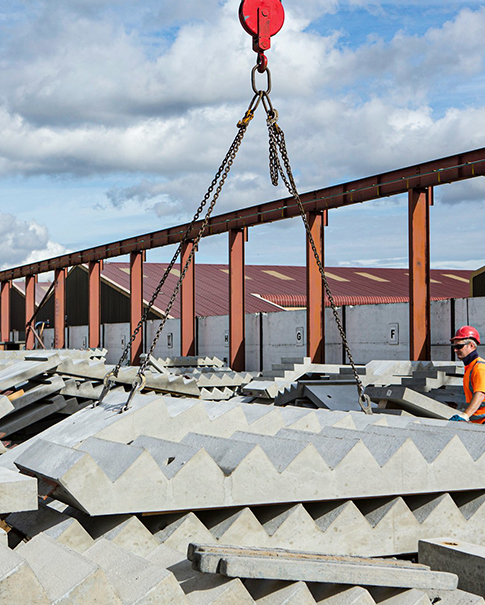

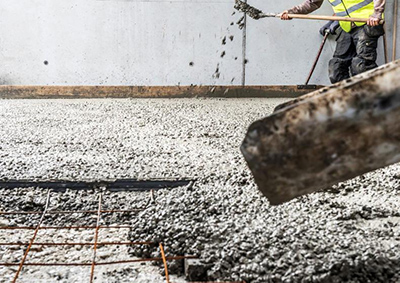
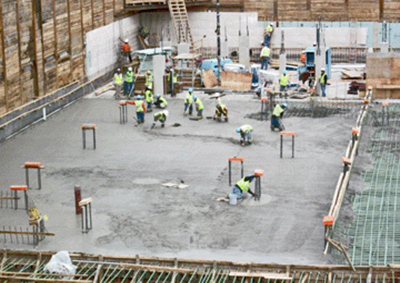
La mise en place du béton est confrontée à des défis importants en hiver, lorsque les températures descendent en dessous de 5 °C. Lorsque la température ambiante chute en dessous de 5 °C, la réaction d'hydratation du ciment ralentit, ce qui entrave le développement de sa résistance. Si la température descend en dessous de 0 °C, l'humidité interne gèle et se dilate, provoquant des dommages structurels. Par conséquent, la mise en œuvre de mesures de protection thermique appropriées est essentielle pour les constructions hivernales.
I. Stratégies d'isolation du noyau
1. Préchauffage des matières premières
- Chauffer l'eau de gâchage à 60-80°C (éviter le contact direct entre le ciment et l'eau chaude).
- Préchauffer les agrégats pour éliminer toute la glace et la neige.
- Utiliser des additifs antigel pour abaisser le point de congélation.
2. Protection pendant la pose
- Installer des brise-vent pour réduire les pertes de chaleur du béton frais.
- Utilisez des coffrages isolés ou des systèmes de coffrage à double couche.
- Utiliser des appareils de chauffage de chantier (par exemple, des radiateurs halogènes) pour un chauffage localisé pendant les travaux de nuit ou par grand froid.
3. Méthodes de durcissement et d'isolation
- Méthode de couverture : Appliquer un système à trois couches : film plastique (pour retenir l'humidité) + couvertures isolantes (par exemple, couettes en coton, tapis de paille) + bâche imperméable.
- Méthode de rétention de chaleur : Exploiter la chaleur d'hydratation du béton en la combinant à des matériaux isolants pour emprisonner la chaleur.
- Méthode de chauffage actif : Lorsque les températures descendent en dessous de -10 °C, utiliser des enceintes chauffées fermées ou un traitement à la vapeur.
II. Points clés de surveillance de la température
- Mesurer la température toutes les 4 heures. L'écart entre la température à cœur et en surface du béton ne doit pas dépasser 20 °C.
- Avant le décoffrage, assurez-vous que la différence de température entre la surface du béton et l'air ambiant est inférieure à 15°C.
- Le béton ne doit pas geler avant d'avoir atteint sa « résistance au gel » critique (généralement 30 à 40 % de sa résistance nominale).
III. Mythes et avertissements courants
❌ Mythe : Augmenter la teneur en ciment à elle seule empêche le gel.
✅ Fait : Misez sur une combinaison d'adjuvants appropriés et de mesures d'isolation.
❌ Mythe : Appliquer des couvertures isolantes immédiatement après avoir versé l’eau.
✅ Fait : Commencez par recouvrir d'une bâche en plastique pour éviter la perte d'humidité, puis ajoutez l'isolant.
Points essentiels à retenir :
- Une surveillance continue est essentielle : vérifiez régulièrement les températures internes et de surface tout au long de la période de durcissement afin de vous assurer qu'elles restent supérieures aux seuils spécifiés.
- Maintenir l'isolation suffisamment longtemps : le béton standard nécessite au moins 7 jours de protection ; les éléments structuraux critiques peuvent nécessiter 14 jours ou plus.
- Prévenir les chocs thermiques : refroidir le béton progressivement pour éviter les fissures dues à des changements de température rapides.
- Ajuster la composition du mélange : Pour le bétonnage hivernal, envisagez d’utiliser un ciment à prise rapide, de réduire le rapport eau/ciment et d’incorporer des adjuvants antigel et accélérateurs de prise homologués.
- Retirez le coffrage avec précaution : le coffrage ne doit être retiré que lorsque la résistance du béton dépasse 40 % de la résistance prévue et que la différence de température avec l'environnement est inférieure à 15 °C.
Whatsapp : +86 -13559234186
E-mail : sale@lscmagnetics.com
Tél : +86 -13559234186